The ATM Skimming Case: A Fast Crime with a Quick Capture
Mark T.'s story shows how quickly fraud can be unraveled when technology meets human error. In just 15 days, a series of ATM withdrawals led to his arrest after using cloned cards purchased on the dark web.
- Date
- Last updated
- Oct 4, 2026
- Editor
- Julian Hawthorne
- 2 min read
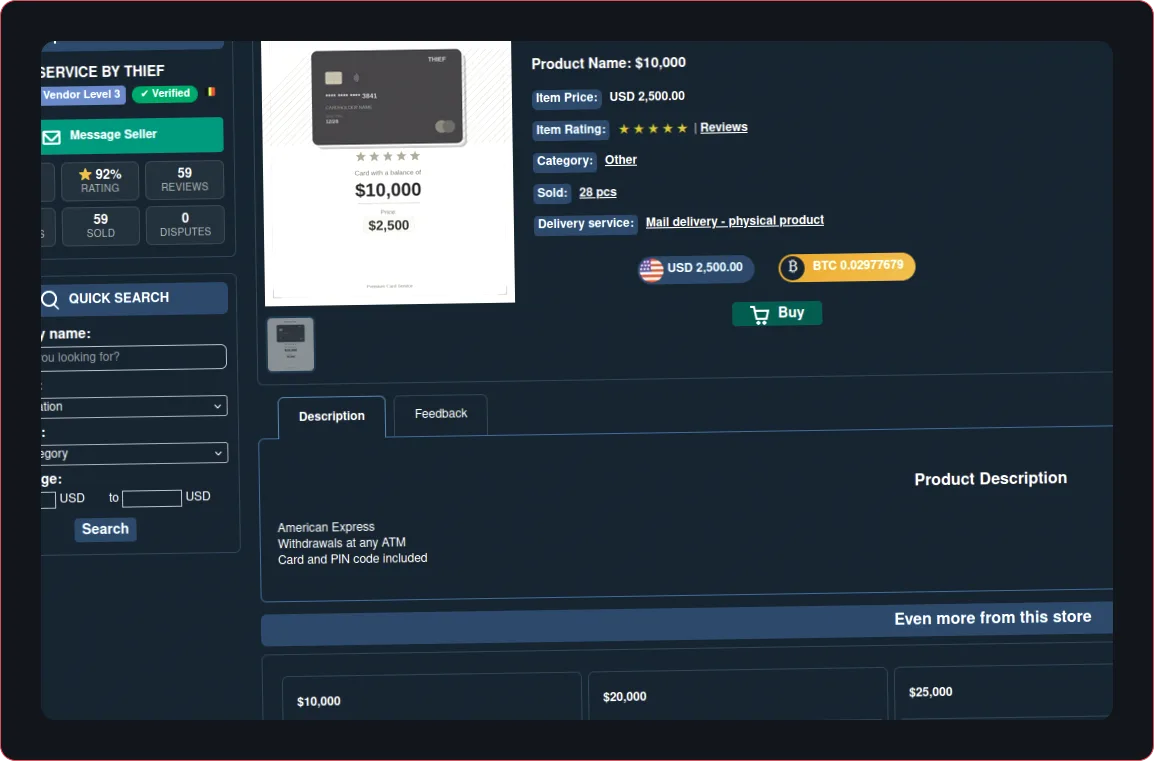
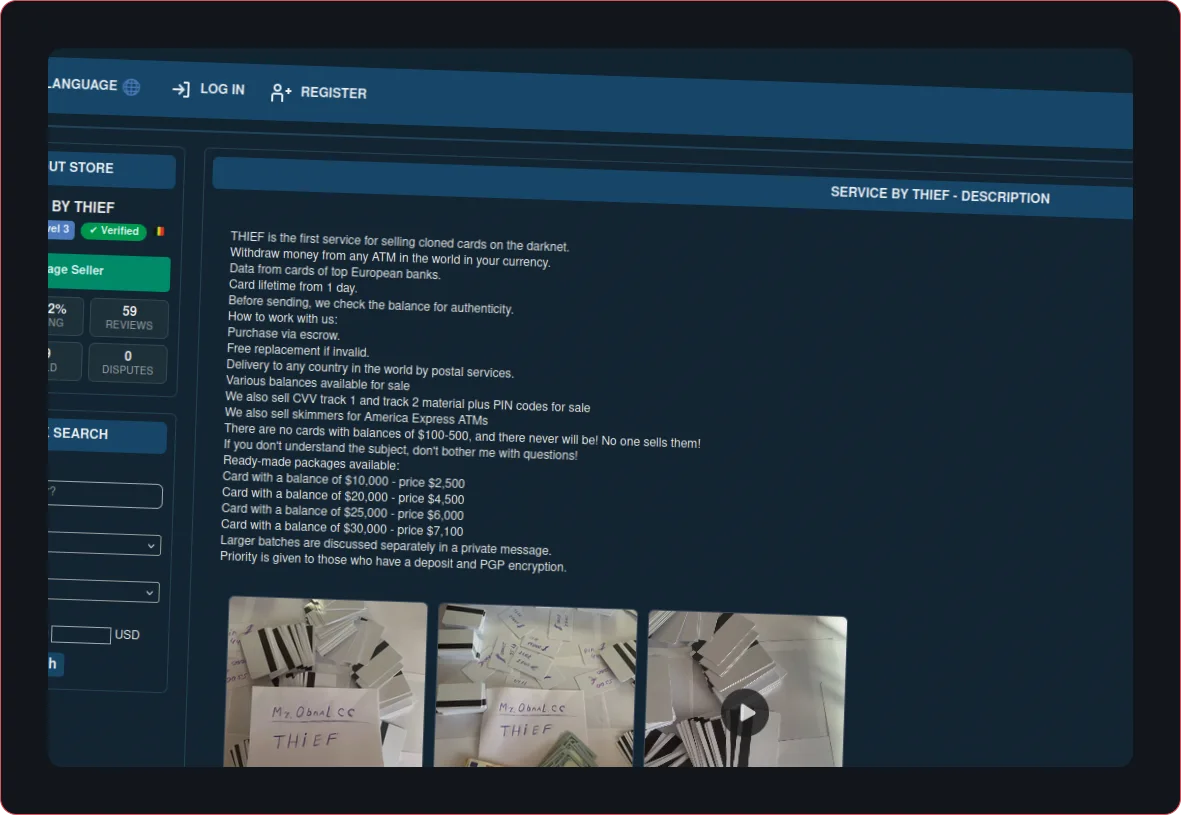
In November 2024, Mark T., a 34-year-old from Tampa Bay, thought he had stumbled upon an easy way to make money by buying six cloned debit cards for $480 in cryptocurrency. However, his lucrative scheme quickly unraveled as he withdrew $4,200 from three ATMs before being caught at the fourth. This isn't just a tale of carding; it's a stark reminder of how advanced surveillance technology can expose criminals in mere days.
The Inside Story of Carding
Carding is a resilient form of cybercrime that thrives on the sale and use of stolen banking data. Let's break down how Mark's scheme unfolded:
- Skimming or Data Breach: Criminals collect stolen magnetic card tracks through different methods like skimmers at ATMs, phishing, or buying dumps on darknet markets.
- Embossing: The stolen data gets transferred onto blank plastic cards, which are made to look genuine with an embossed name, expiration date, and card number.
- PIN Code Access: If the PIN was compromised, the buyer gains a tool for cash withdrawal.
- Cash-out Process: Criminals use the cards to withdraw money before victims can block them.
- Laundering the Cash: The stolen funds are converted into cryptocurrency, effectively washing the trail.
Mark used Monero for its anonymity feature, acquiring the cards through a darknet marketplace. This transaction, however, overlooked a critical factor: ATMs are equipped with advanced surveillance systems.
The Downfall: How the Investigation Unfolded
Mark's arrest came just 15 days after he made his withdrawals. Here's how the investigation unfolded:
- Day 1: Victims report unauthorized withdrawals to their banks.
- Day 3: Banks detect a pattern and raise emergency flags.
- Day 5: Case escalates to the U.S. Secret Service.
- Day 8: Video evidence from the ATM reveals Mark's face.
- Day 12: Investigators track his online activity back to a centralized exchange where he bought Monero.
- Day 14: Search warrant obtained, leading to significant evidence in Mark's home.
- Day 15: Mark is arrested, confessing to his crimes.
The combination of video surveillance, digital logs, and physical evidence led to a solid case against him. From the video footage captured at the ATM to the records of his crypto transactions, each piece connected back to Mark, resulting in a swift and decisive investigation.
The website where the purchase was made provided crucial links that traced back to Mark, sealing his fate.
Lessons Learned from Mark's Case
In March 2025, Mark T. was sentenced to 60 months in federal prison, a fine of $22,000, and three years of supervised release. The case serves as a lesson in the effectiveness of anti-fraud systems and the importance of physical evidence in cybercrime investigations. Mark's mistakes, from failing to disguise his identity to using centralized exchanges, ultimately led to his capture and conviction.
Explore more

Torch Onion Link: Navigating the Dark Web Safely
Discover how to safely access the Torch onion link on the dark web using the Tor browser, ensuring your privacy and security.

Dark Web Website Name: How to Choose Wisely
Discover how to choose a dark web website name wisely, ensuring it reflects your purpose and enhances visibility in the .onion space.